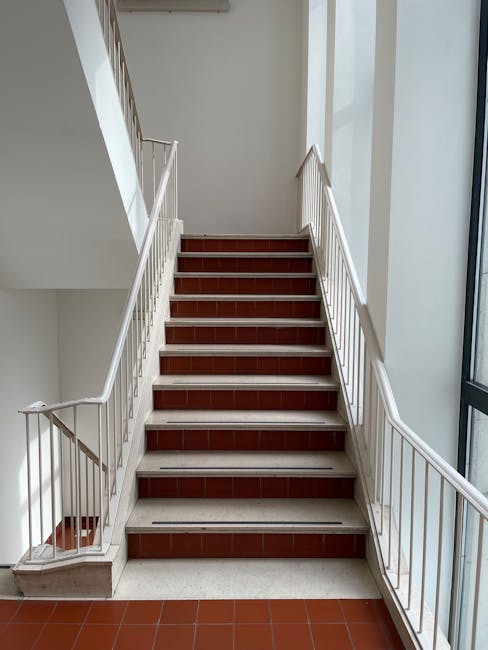
Bush Hill Park rug cleaning on narrow stairs access solutions
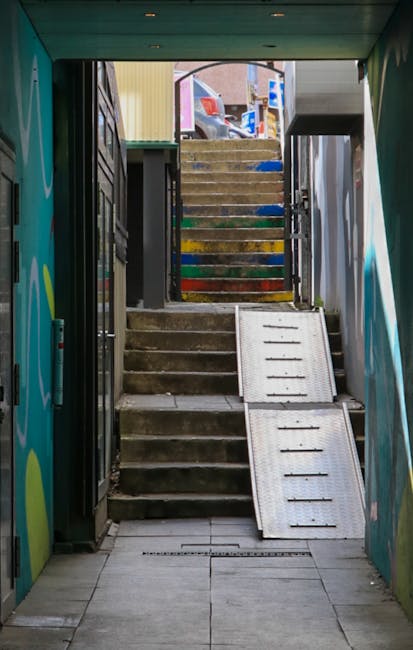
If you live in Bush Hill Park and your staircase feels more like a slim passage than a proper set of stairs, getting a rug cleaned can be awkward fast. Heavy wool rugs, awkward bends, tight landings, and a front door that barely opens without a shuffle - it all adds up. Bush Hill Park rug cleaning on narrow stairs access solutions is really about one thing: making professional rug care possible in homes where access is tight, without risking damage to the rug, the banister, or your patience.
This guide breaks down what that means in practice, how a good cleaner works around narrow access, which methods suit different rug types, and what to ask before you book. You will also find a simple checklist, a comparison table, and a few honest, real-world pointers that can save you a headache. Truth be told, the stairs are often the hard part, not the rug itself.
Why Bush Hill Park rug cleaning on narrow stairs access solutions Matters
Narrow-stairs access sounds like a small detail until you are trying to move a large rug through a terraced house, maisonette, or older property with a tight staircase. In Bush Hill Park, that kind of layout is common enough to deserve proper planning. The risk is not just inconvenience. Poor handling can cause dragged fibres, bent fringes, scuffed paintwork, or a cleaner taking shortcuts because the access is awkward.
A rug is often more valuable, more delicate, or more sentimental than a standard carpet. Some are wool, some are synthetic, some have hand-tied finishes, and some are simply too precious to treat like an everyday mat. If the route in and out is tight, the cleaning plan has to respect that from the start. You do not want a rushed move on a stair landing, and you definitely do not want a damp rug folded in half because the turning space was underestimated.
That is why proper access planning matters. It protects the rug, protects the home, and usually leads to a better clean. A cleaner who understands narrow access will think about loading, handling, drying space, and the safest route before they touch the rug. It sounds obvious, but honestly, this is where many jobs become easy or messy.
Expert summary: If stairs are tight, the best rug cleaning result usually comes from planning the route first, choosing the right cleaning method second, and moving the rug only once where possible.
For homeowners comparing service options, it can help to look at a provider's broader approach to care and safety too. Pages such as insurance and safety, health and safety policy, and about us are useful signs that the company thinks beyond the cleaning itself.
How Bush Hill Park rug cleaning on narrow stairs access solutions Works
The process is usually simpler than people expect, but it does need care. The basic idea is to reduce lifting, twisting, and carrying through confined spaces. In a narrow staircase home, a good cleaner will usually begin with a quick access check. They will look at the width of the stairs, the size of the landing, the weight of the rug, whether the rug can be rolled tightly, and where the best staging area is.
From there, the job is usually planned around one of three access approaches:
- Rug removal and off-site cleaning: useful when the rug can be safely moved out in a roll or fold, then cleaned elsewhere and returned dry or nearly dry.
- On-site cleaning with careful handling: suitable when the rug can be cleaned in the property, provided there is enough space to work and dry it properly.
- Specialist access handling: for larger or more awkward pieces where two-person lifting, protective runners, or staged movement is needed.
The cleaning method itself depends on fibre type and condition. Some rugs respond well to hot water extraction, while others need low-moisture cleaning, controlled agitation, or careful spotting. If a rug has fringe damage, dye sensitivity, or heavy pile, the cleaner may take a more restrained approach. That is not a weakness; it is good judgment.
One thing worth noting: the access plan and the cleaning method are separate decisions. A rug may be easy to clean but awkward to move, or easy to move but difficult to clean safely. A proper service recognises both problems, not just one.
If your rug is part of a larger home refresh, you might also be considering carpet cleaning, steam carpet cleaning, or upholstery cleaning at the same visit. That can make sense, especially if moving equipment through the stairs is already the hardest part of the day.
Key Benefits and Practical Advantages
When narrow-stairs access is handled properly, the benefits are more practical than flashy, but they matter a lot.
- Less risk of damage: careful movement reduces the chance of snagging fringes, creasing backing, or marking walls.
- Better cleaning results: a rug that is handled correctly can be cleaned more evenly and dried more safely.
- Less disruption at home: no need for a stressful stair struggle or repeated attempts to turn a bulky rug around a bend.
- Safer working conditions: for both the cleaner and the homeowner, especially where stairs are steep or the hallway is cramped.
- More confidence with delicate items: hand-made, antique, or pet-soiled rugs can be treated with the right level of caution.
There is also a time benefit, though people do not always think about it. A planned access solution saves repeat visits, avoids delays, and reduces the chance of a rug coming back with a wet patch or a warped edge. Nobody wants to spend the afternoon watching a rug dry awkwardly in the hallway like an oversized towel. Bit of a silly image, but you get the point.
| Access issue | What can go wrong | What good planning does |
|---|---|---|
| Tight stair turn | Dragging, twisting, edge damage | Uses rolling, two-person carry, or staging |
| Small landing | No safe space to manoeuvre | Plans a route and a pause point before lifting |
| Large or heavy rug | Back strain, dropped corners, scuffed walls | Chooses controlled handling and proper lifting |
| Delicate fibres | Fibre distortion or dye transfer | Matches the method to the rug type |
Who This Is For and When It Makes Sense
This kind of service is most useful if your property has a narrow staircase, a sharp landing turn, or access that makes moving bulky items difficult. That often includes Victorian or Edwardian terraces, maisonettes, upper-floor flats, and converted homes around Bush Hill Park. If your rug is too large to carry safely without bending, it is probably a good candidate for specialist handling.
It also makes sense if:
- the rug is valuable, antique, or hand-made
- you have pet stains, odours, or spill damage that need more than a basic surface clean
- you want the rug cleaned at home because transport is not practical
- there is limited storage space, so the rug must be returned promptly
- you need the work done with minimal disturbance to family life, children, or pets
For commercial settings with awkward access, the same logic applies. Offices, small clinics, and hospitality spaces sometimes have narrow service stairs or internal routes that complicate rug and textile care. In those cases, commercial carpet cleaning and other textile services can be planned around access windows to reduce disruption.
It may not be the right fit if the rug is tiny and easy to transport, or if the access is so restricted that another method is safer. A good cleaner should be honest about that. If they are not, that is a useful sign to keep looking.
Step-by-Step Guidance
Here is a practical way to think about the process from first enquiry to finished clean.
- Measure the access points. Check stair width, landing size, door clearance, and any tight corners. Even a few centimetres can matter.
- Identify the rug type. Wool, silk, synthetic, blended, hand-tufted, and flatweave rugs all behave differently.
- Note the condition. Look for fringe wear, moth damage, old repairs, loose threads, fading, or odours.
- Discuss the access problem early. Say that the stairs are narrow. Do not wait until the cleaner arrives and everyone starts doing a careful dance in the hallway.
- Choose the method. Decide whether on-site cleaning, off-site cleaning, or a hybrid approach is safest.
- Prepare the route. Clear ornaments, hallway clutter, shoes, and anything that could catch.
- Protect the home. Good cleaners may use covers, pads, or controlled lifting to avoid scuffs and splashes.
- Clean with the right moisture level. The aim is effective cleaning, not soaking the rug.
- Dry properly. Drying time depends on fibre, thickness, airflow, and season. A damp rug left in a tight space can smell musty surprisingly quickly.
- Inspect before return or re-placement. Check the edges, the pile, and the backing once the rug is dry enough to handle.
That sequence sounds simple, but it is the order that prevents most problems. If the rug is already in your living room and the stairs are awkward, the planning step becomes even more important. There is no glamorous shortcut here. Just sensible handling, done properly.
Expert Tips for Better Results
A few small choices make a big difference with narrow-stairs access.
- Photograph the staircase before the visit. A couple of clear pictures can help the cleaner judge the route and equipment needs.
- Tell them about corners and handrails. The turn may be tighter than the straight flight, and that is often where the real challenge sits.
- Choose the right day. If possible, book when the household is quieter. Fewer boots on the stairs, fewer interruptions.
- Protect the fringe early. Fringe is vulnerable. It is often the first thing to snag.
- Ask about drying space. A clean rug that cannot dry well is not really finished.
- Be realistic about old stains. Some marks improve a lot; some fade but do not disappear. Honest expectations beat disappointment every time.
Another practical tip: if the rug is in regular use, ask whether a cleaning approach can be timed around your schedule so the access route is available and the room stays out of the way. A 20-minute delay at the start can save an hour of awkward manoeuvring later.
And yes, sometimes the best tip is simply this: move the doormat, clear the coat rack, and give the cleaner room to breathe. That alone can make the whole job feel twice as smooth.
Common Mistakes to Avoid
Narrow-stairs jobs tend to fail for very predictable reasons.
- Not mentioning the access issue in advance. If the cleaner turns up expecting a wide hallway and finds a tight stairwell, the day becomes harder for everyone.
- Underestimating the rug's weight. Thick pile, damp fibres, and large dimensions can make a rug feel much heavier than it looks.
- Using the wrong cleaning method. A powerful method is not always the best method. Delicate rugs need judgement, not brute force.
- Leaving no drying plan. A rug should not be forced back into service while still holding moisture.
- Trying to fold or bend a fragile rug too sharply. Some rugs tolerate rolling; many do not enjoy hard folds at all.
- Choosing price alone. The cheapest quote can become expensive if damage, delays, or repeat treatment follow.
One small but important mistake is assuming all rug cleaning is identical to carpet cleaning. It is not. Rugs can have backing systems, dyes, seams, and finishes that need more careful handling. If a provider only talks in generic terms, you may want to ask more questions.
Tools, Resources and Recommendations
You do not need specialist gear at home, but it helps to understand what professionals may use for a narrow-access job.
- Protective covers and pads: help reduce scuffing on walls and banisters.
- Non-slip handling gloves: useful when moving rug rolls on stairs.
- Corner guards or edge protection: reduce accidental rubbing on sharp turns.
- Moisture-aware cleaning tools: chosen to suit the rug fibre and the available drying space.
- Airflow support: helps the rug dry evenly after cleaning.
- Spot treatment products: used carefully for stains, especially where pet issues are involved.
For related services, it can be sensible to keep everything within the same care plan. A rug with pet contamination may benefit from pet stain and odour removal, while a room refresh might also include sofa cleaning or mattress cleaning. That way the whole room feels more finished, not just one item.
If you are comparing providers, useful pages like pricing and quotes and terms and conditions can help set expectations before anything is booked. Also worth checking whether the company explains payment and data handling clearly through payment and security and privacy policy.
Law, Compliance, Standards, or Best Practice
For this topic, there is not a single special law that covers rug cleaning on narrow stairs, but there are important best-practice expectations. In the UK, professional cleaners should work in a way that avoids foreseeable harm, uses sensible manual handling, and takes account of access risks. That means planning lifting routes, reducing slip hazards, and being honest when a job is not suitable in its current form.
If a cleaner is visiting your home, you would normally expect them to think about:
- safe lifting and carrying
- trip hazards on stairs and landings
- appropriate cleaning chemistry for the fabric
- reasonable protection for walls, flooring, and fixtures
- careful handling of fragile or valuable items
Insurance matters too. If something goes wrong in a tight access environment, the risk of impact damage is higher than in a large open space. That is one reason a transparent insurance and safety page is reassuring. It does not guarantee perfection, of course, but it does show that safety has been thought about before the first lift.
There is also a customer-service side to this. If you need support or have a concern after a visit, a clear complaints procedure shows that issues can be handled in an orderly way rather than left to chance.
Options, Methods, or Comparison Table
Choosing the right method depends on access, rug type, and how urgently you need the rug back in place. Here is a simple comparison.
| Method | Best for | Pros | Trade-offs |
|---|---|---|---|
| Off-site rug cleaning | Large, valuable, or awkward rugs | Can be more controlled, easier drying, less disruption at home | Requires safe removal and return logistics |
| On-site cleaning | Rugs that can stay in place or be handled indoors safely | Convenient, less moving, no transport required | Space and drying must be managed carefully |
| Low-moisture cleaning | Delicate fibres or tight drying conditions | Quicker dry times, less saturation | May be less suitable for deep embedded soil in some cases |
| Deep extraction | Durable rugs with heavier soiling | Strong soil removal, good for general refresh | Needs care with fibre type and drying space |
If your rug is paired with broader soft-furnishing cleaning, a service mix can sometimes be more efficient. For example, when the stairs are already an access pinch point, tackling curtain cleaning or upholstery cleaning during the same visit may be worth discussing. Not always, but often enough to ask.
Case Study or Real-World Example
Imagine a Bush Hill Park maisonette with a narrow staircase turning halfway up to a small landing. The homeowner has a medium-sized wool rug with a faint pet odour and a couple of dark spill marks. The rug is important to them, but it is also awkward. It can be rolled, just, though not folded sharply.
Rather than dragging it down the stairs in a rush, the cleaner checks the width of the turning point, asks for a clear landing, and decides the safest route is a controlled removal with two-person handling. The rug is rolled, protected at the edges, and moved slowly. The cleaning itself is done with a careful approach suited to wool rather than a heavy wet process. Drying is planned so the rug is not put back until it is properly ready.
The result is not dramatic in the Hollywood sense. No big reveal. But the rug comes back cleaner, flatter, and without the stress that a narrow stair move could have caused. The homeowner gets relief, the property stays tidy, and nobody has to hold their breath while a corner scrapes a wall. Small win, really, but a proper one.
That is the real value of access-aware rug cleaning. It is calm, practical, and built around the house you actually live in, not some idealised wide-open studio.
Practical Checklist
Use this before you book or before the cleaner arrives.
- Measure the stair width and landing space
- Check whether the rug can be rolled safely
- Note any fringe, seam, dye, or backing concerns
- Identify stains, pet odour, or heavy wear areas
- Clear the hallway, steps, and landing of obstacles
- Ask how the rug will be moved and where it will be cleaned
- Confirm drying space and drying time expectations
- Ask whether the method suits wool, synthetic, or delicate fibres
- Check that insurance and safety information is available
- Review pricing, terms, and payment details before booking
If you want a company that is transparent about procedures and customer care, those support pages can be very useful: about us, recycling and sustainability, and accessibility statement. They do not clean the rug for you, obviously, but they do tell you a lot about how the business works.
Get a free quote today and see how much you can save.
Conclusion
Bush Hill Park rug cleaning on narrow stairs access solutions is less about a complicated cleaning formula and more about sensible planning. If the access is tight, the rug has to be handled with care from the first conversation to the final dry check. The right approach protects your home, supports the rug's condition, and makes the whole process feel far less stressful.
In practice, the best results usually come from clear measurements, honest communication, the right cleaning method, and proper drying space. Simple things, really. But simple done well is what keeps a rug looking good for longer.
If your stairs are narrow and the rug matters to you, take your time choosing the service. Ask questions, share photos, and make the access issue part of the plan, not an afterthought. That one decision can make everything easier. And a little easier is no small thing in a busy home.
Frequently Asked Questions
Can rug cleaning be done in a house with very narrow stairs?
Yes, often it can. The key is to decide whether the rug should be cleaned on-site or removed and cleaned elsewhere. The safest option depends on the rug size, weight, fibre type, and how tight the staircase is.
What should I tell the cleaner before they arrive?
Tell them the stair width, any sharp turns, whether there is a small landing, and if the rug is heavy or delicate. A couple of photos can help a lot. Honestly, photos are worth their weight here.
Is off-site rug cleaning better for narrow access homes?
Not always, but it is often a strong option when stairs are awkward. Off-site cleaning can reduce disruption and allow more controlled drying, but only if the rug can be moved safely.
What type of rug is hardest to move on narrow stairs?
Large wool rugs, thick pile rugs, and rugs with fragile fringes or backing usually need the most care. They may be flexible enough to roll, but not ideal for sharp bends or awkward carrying.
How long does rug drying take after cleaning?
It varies. Fibre type, thickness, cleaning method, airflow, and room conditions all affect drying time. Low-moisture cleaning may dry faster, while deeper cleaning may need longer and better ventilation.
Can a rug be cleaned if it has pet stains or odour?
Usually yes, though the treatment depends on the source and how long it has been there. Pet-related problems often need targeted stain and odour treatment rather than a standard surface clean.
Will cleaning damage a delicate or antique rug?
A careful cleaner should assess the rug first and choose a suitable method. Delicate or antique rugs can be cleaned, but the process may be slower and more cautious. The honest answer is that some items need specialist handling, not a one-size-fits-all approach.
Do I need to move furniture before the cleaner comes?
Only the items blocking access routes or the rug itself, unless the cleaner has asked otherwise. Clearing the stairs, landing, and hallway makes a big difference. A tidy route saves time and reduces the risk of knocks.
How do I know if a company is safe and properly insured?
Look for clear information on insurance, safety, and working practices. Pages like insurance and safety and health and safety policy are good signs that these matters are taken seriously.
Is rug cleaning expensive for homes with narrow stairs access?
It can sometimes cost more if extra handling, time, or specialist access care is needed. That said, the exact price depends on the rug size, material, condition, and whether the service is on-site or off-site. A clear quote is the best way to know.
What is the biggest mistake people make with narrow-stairs rug cleaning?
The biggest mistake is hiding the access issue until the day of the visit. That often leads to rushed handling or a plan that no longer fits the property. Say it early, and everyone has a much easier job.
Should I choose carpet cleaning instead if the rug is too awkward?
Not usually. Rugs and fitted carpets are different, and they should be treated differently. If the rug is too awkward to move or clean safely, a specialist rug approach is still the better conversation to have.